

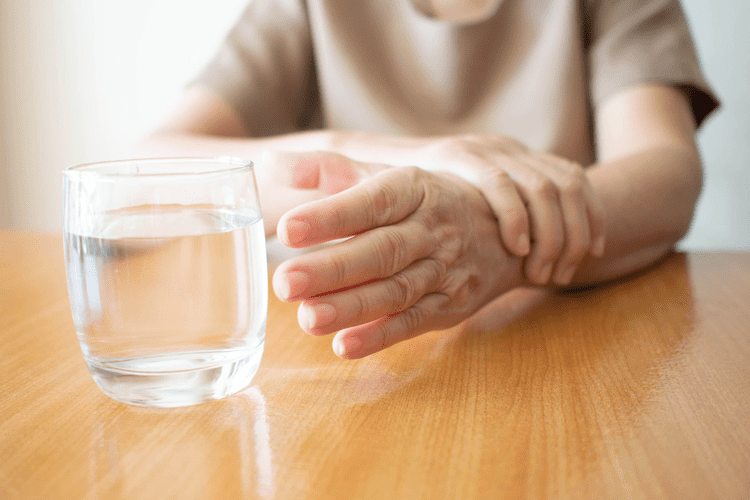
The severity of shaking can range from mild to intense, depending on factors like the level of alcohol consumed and individual differences in the body’s response to alcohol. Generally, shaking after drinking is a result of changes in the nervous system that may be linked to alcohol withdrawal syndrome. Remember that everyone experiences shaky after drinking shaking after drinking in a different way. For this reason, it’s challenging to predict exactly how long it will take to get rid of your tremors.
Understanding the factors that contribute to coffee-induced hand shaking can help individuals take steps to minimize or manage their symptoms. The most effective way to prevent hangover shakes is to avoid excessive alcohol consumption altogether. Drinking in moderation is crucial to minimize the risk of experiencing severe alcohol withdrawal symptoms, including shakes 3. Limiting the amount of alcohol consumed helps to reduce the stress on the body and the subsequent impact on the nervous system.
Top Techniques in Men’s Rehab Programs
Support groups, in particular, offer a platform to share experiences and coping strategies, fostering a sense of community and accountability. Remember that eating before or while drinking can minimize the rate of alcohol absorption, thus reducing hangover symptoms like shaking. He utilizes positive psychology as much as possible during his counseling sessions. Positive psychology is a treatment approach that believes all people want to lead fulfilling and meaningful personal and professional lives. Elevate’s holistic drug rehab center in California can be your first step toward recovery and a tremor-free life. When researching alcohol shakes, you may have also seen that a potential cause is the severe, sometimes deadly complication known as delirium tremens (DTs).
Can You Get Withdrawal Symptoms from Weed?
If you experience symptoms of Delirium Tremens, seek medical help immediately. Remember that everyone’s body is different, so what works for one person may not work for another. It’s important to listen to your body and take care of yourself when dealing with hangover shakes. By following these tips and taking steps to prevent excessive alcohol consumption in the future, you can minimize your risk of experiencing this uncomfortable symptom again in the future. When you drink alcohol, it can cause your blood sugar levels to drop, which can lead to tremors and other symptoms. Recognizing the signs of alcohol dependency is crucial for Alcoholics Anonymous timely intervention.
The Role of Nutrition and Hydration in Detox and Recovery

Understanding the causes and impact of hangover shakes can help individuals recognize the signs and take appropriate steps to manage their symptoms. It’s essential to prioritize overall health and well-being by adopting strategies to prevent excessive alcohol consumption and seeking professional help if necessary. It’s crucial to recognize that shaking after drinking can be a sign of a more significant issue, such as alcohol use disorder. If you’re concerned about your symptoms or need support, seeking professional help from a reputable addiction treatment center like Sabino Recovery can be an essential step on the path to healing.
Causes of Alcohol Shakes and Tremors
- Withdrawal symptoms could be caused by muscle twitching after drinking if you are over-dependant on alcohol.
- In people with diabetes, this can occur when too much insulin is taken before a meal.
Quitting smoking can also cause shaking, as caffeine lasts longer in your system after you’ve quit. Other potential causes of shaking include dehydration, low blood sugar, and certain medical conditions. If you’re concerned about your shaking, be sure to talk to your doctor.
Magnesium is a natural muscle relaxant and can help reduce the severity of tremors and other involuntary movements. In summary, the effects of prolonged alcohol use can severely impair both mental and physical health, necessitating intervention and support for recovery. This can lead to short and long-term complications for your physical and mental health. While alcohol shakes are fairly common, only 5-10% of heavy drinkers experience DTs.
If your shakes come with a side of fever, hallucinations, or even seizures, get to a hospital ASAP. These are red flags for delirium tremens (DTs), and you don’t want to mess around with that. His work has appeared in publications including The Guardian, Euronews, and VICE UK. Joakim is a coffee connoisseur who loves all types of coffee, no matter the type or region of origin.
How to practice forgiveness for yourself and others in recovery
- She has implemented a lot of new protocols for the operations of these areas to ensure the clients are receiving the highest quality of care that we are able to provide.
- Over time, your brain adjusts to this depressant effect, leading to an increased tolerance to alcohol and a physical dependence on it.
- DTs typically occur 48 to 72 hours after the last drink and can be life-threatening if left untreated.
- It’s an intricate, deeply personal experience, yet one that resonates with millions worldwide.
If the shaking happens more than once, lasts over 8 hours, or comes with confusion, fast heart rate, or hallucinations, it’s time to seek professional care. If shaking lasts longer than eight hours, or is paired with confusion, dizziness, or mental fog, it’s more than a hangover. At Nirvana Recovery, we provide assistance with safe, medically supervised detox for precisely these situations, like addiction and withdrawal. One of the more severe tremors is seen in people who have severe or long-standing alcohol addictions.
If you regularly manage your stress levels with holistic self care, then treat coffee jitters just like any other obstacle. You may not be able to slow your heart rate or lower your blood pressure, but at least https://rsatr.com/recovery-house-vs-sober-livings-vs-halfway-house/ you’ll be able to calm yourself, getting rid of the jitters in the process. But sometimes after you’ve downed your second or third drink for the day, you get anxious.